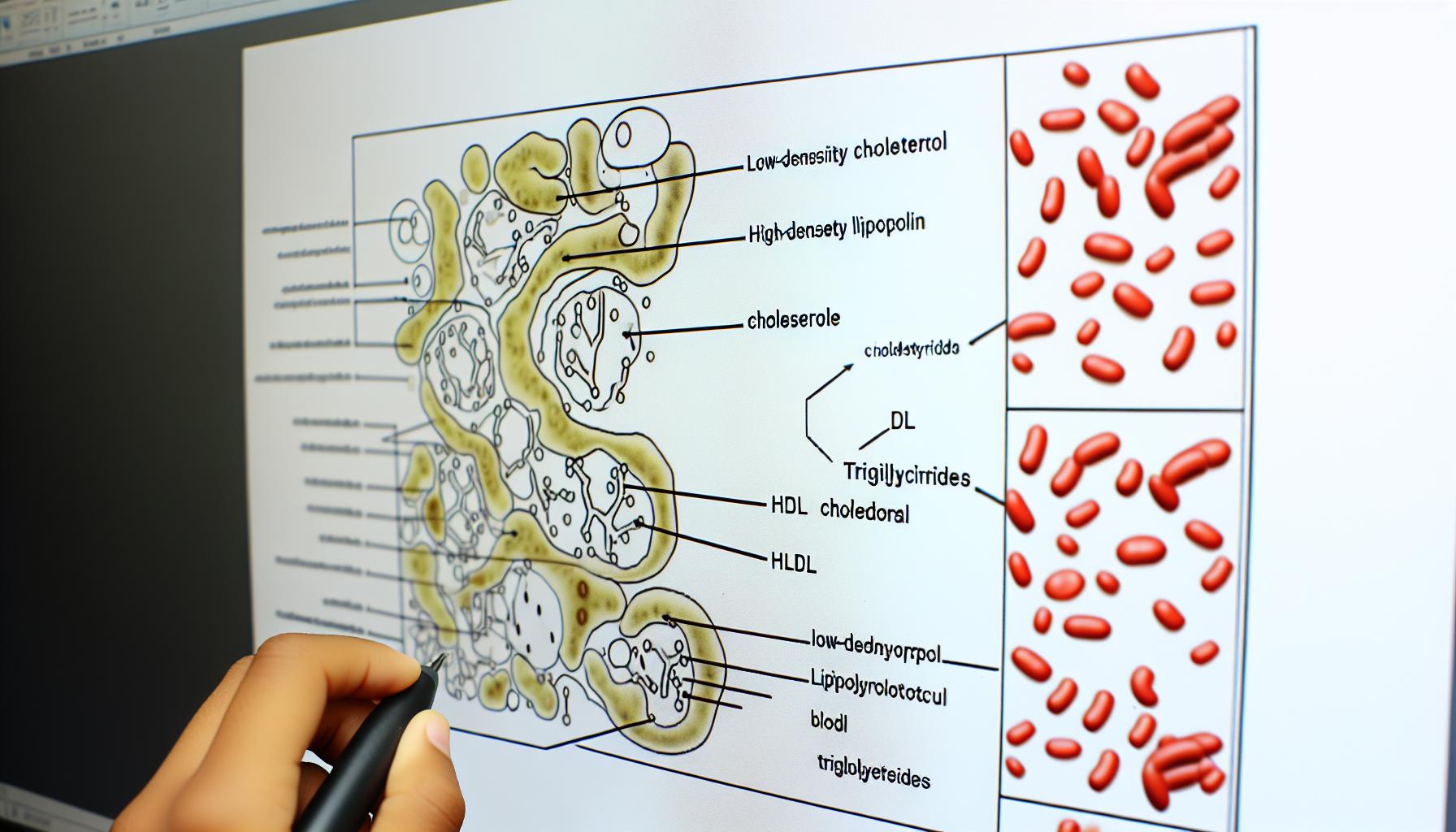


Exploring new therapeutic targets in lipid management
The landscape of lipid management is evolving rapidly, with new therapeutic targets emerging that promise to revolutionize the treatment of lipid disorders and cardiovascular disease. Lipid disorders, characterized by abnormal levels of lipids in the blood, are major risk factors for cardiovascular diseases, the leading cause of death globally. This article explores the latest advancements in therapeutic targets for lipid management, offering hope for more effective and personalised treatments.
1. PCSK9 Inhibitors
One of the most significant breakthroughs in lipid management has been the development of PCSK9 (Proprotein Convertase Subtilisin/Kexin Type 9) inhibitors. PCSK9 is a protein that plays a crucial role in regulating the number of LDL receptors on liver cells. These receptors are responsible for removing LDL cholesterol (often referred to as "bad" cholesterol) from the blood.
PCSK9 inhibitors, such as alirocumab and evolocumab, work by blocking the action of the PCSK9 protein, leading to an increased number of LDL receptors and, consequently, lower levels of LDL cholesterol in the blood. These medications have shown great promise, particularly for patients who have not achieved their LDL cholesterol targets with traditional statin therapy or those who are statin intolerant.
2. Bempedoic Acid
Another exciting development in lipid management is bempedoic acid, a novel oral medication that lowers LDL cholesterol. Bempedoic acid works by inhibiting ATP citrate lyase, an enzyme involved in cholesterol synthesis. This mechanism is distinct from that of statins, which makes bempedoic acid a valuable option for patients who are unable to tolerate statins due to side effects like muscle pain.
Clinical trials have demonstrated that bempedoic acid effectively reduces LDL cholesterol levels and may also have anti-inflammatory effects, which could provide additional cardiovascular benefits.
3. Inclisiran
Inclisiran represents a new class of lipid-lowering drugs known as small interfering RNA (siRNA) therapeutics. This innovative medication works by silencing specific RNA molecules involved in PCSK9 protein production. Administered via injection only twice a year, inclisiran significantly reduces LDL cholesterol levels.
The long-lasting effect of inclisiran offers a major advantage, particularly for patients who struggle with adherence to daily medications. Its unique mechanism of action and dosing schedule make it a promising addition to the lipid management arsenal.
4. Omega-3 Fatty Acids
While not new, the role of omega-3 fatty acids in lipid management has gained renewed interest. High-dose omega-3 fatty acid formulations, like icosapent ethyl, have shown significant benefits in reducing triglyceride levels and cardiovascular risk in patients with high triglycerides, despite statin therapy.
Recent studies have indicated that omega-3 fatty acids, particularly in purified and high-dose forms, can be an effective adjunct therapy for reducing cardiovascular events in patients with elevated triglycerides.
5. Lipoprotein(a) Lowering Agents
Lipoprotein(a), or Lp(a), has been identified as an independent risk factor for cardiovascular disease. New therapies targeting Lp(a) are currently in development, including antisense oligonucleotides and siRNA-based treatments. These therapies aim to specifically lower Lp(a) levels, which could provide a novel approach for reducing cardiovascular risk in patients with elevated Lp(a).
The Future of Lipid Management
The development of these new therapeutic targets in lipid management reflects a growing understanding of the complex mechanisms underlying lipid disorders and cardiovascular disease. As research continues to advance, we can expect more personalized and effective treatment strategies, improving outcomes for patients with lipid disorders.
For more information on the latest in lipid management and cardiovascular health, the American College of Cardiology offers valuable resources and updates at www.acc.org.
References
- Sabatine, M.S., Giugliano, R.P., Keech, A.C., et al. (2017). Evolocumab and Clinical Outcomes in Patients with Cardiovascular Disease. New England Journal of Medicine, 376(18), 1713-1722.
- Ray, K.K., Bays, H.E., Catapano, A.L., et al. (2019). Safety and Efficacy of Bempedoic Acid to Reduce LDL Cholesterol. New England Journal of Medicine, 380(11), 1022-1032.
- Bhatt, D.L., Steg, P.G., Miller, M., et al. (2019). Cardiovascular Risk Reduction with Icosapent Ethyl for Hypertriglyceridemia. New England Journal of Medicine, 380(1), 11-22.
Disclaimer
This article is for general educational and informational purposes only. It does not constitute medical advice, diagnosis, or treatment recommendations, and does not create a doctor-patient relationship between the reader and Life Clinical Research or any of its staff. Medical circumstances vary between individuals — always seek advice from a qualified healthcare professional before making decisions about health, treatment, or participation in clinical research. Life Clinical Research accepts no responsibility for actions taken based on this content.